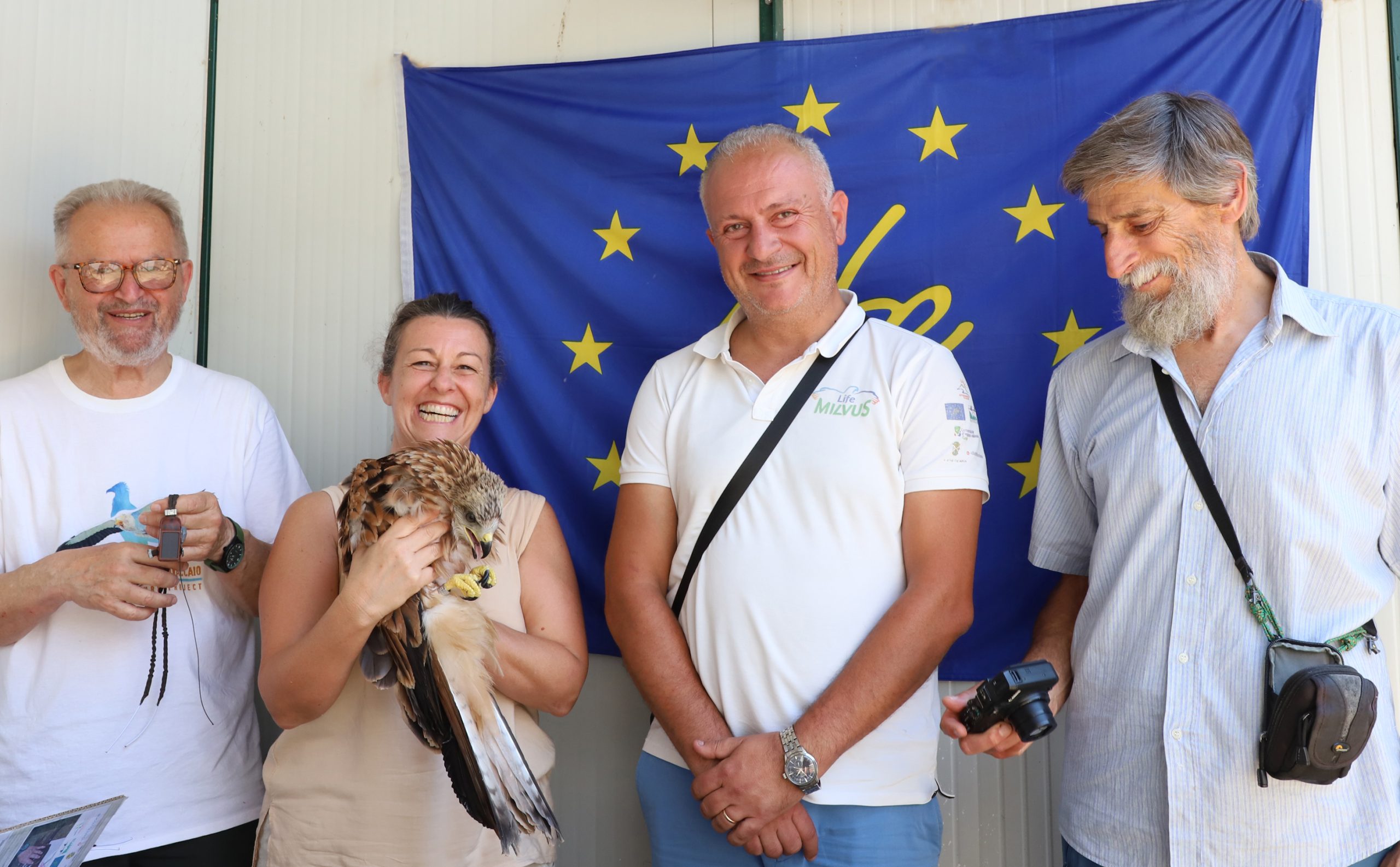
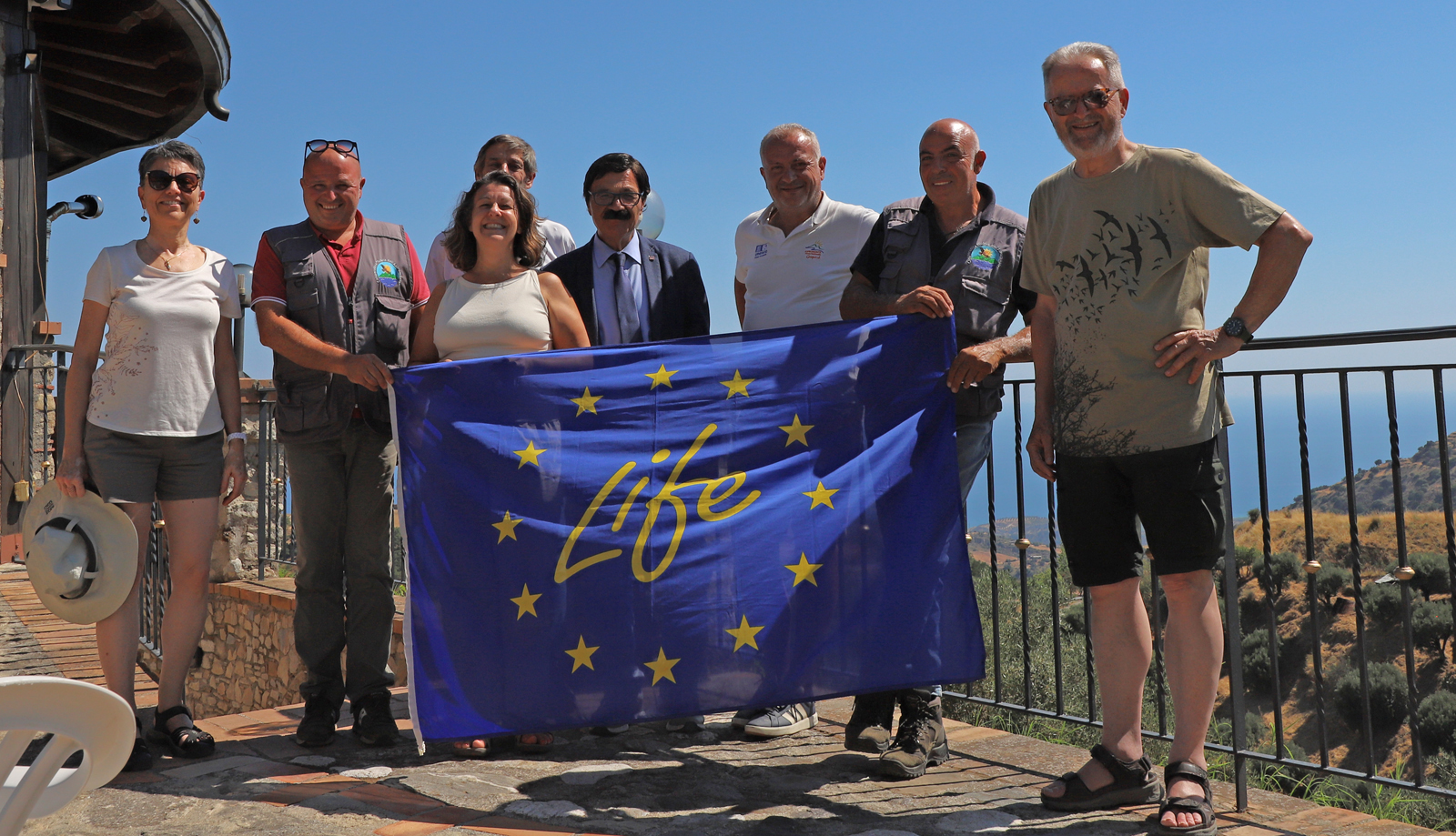
On July 8 and 9, 2026, a monitoring visit for the LIFE MILVUS project took place, conducted by Dr. Simona Bacchereti, Project Adviser at the European Commission’s CINEA (European Climate, Infrastructure and Environment Executive Agency), and monitor Dr. Alberto Cozzi of the ELMEN EEIG consortium.
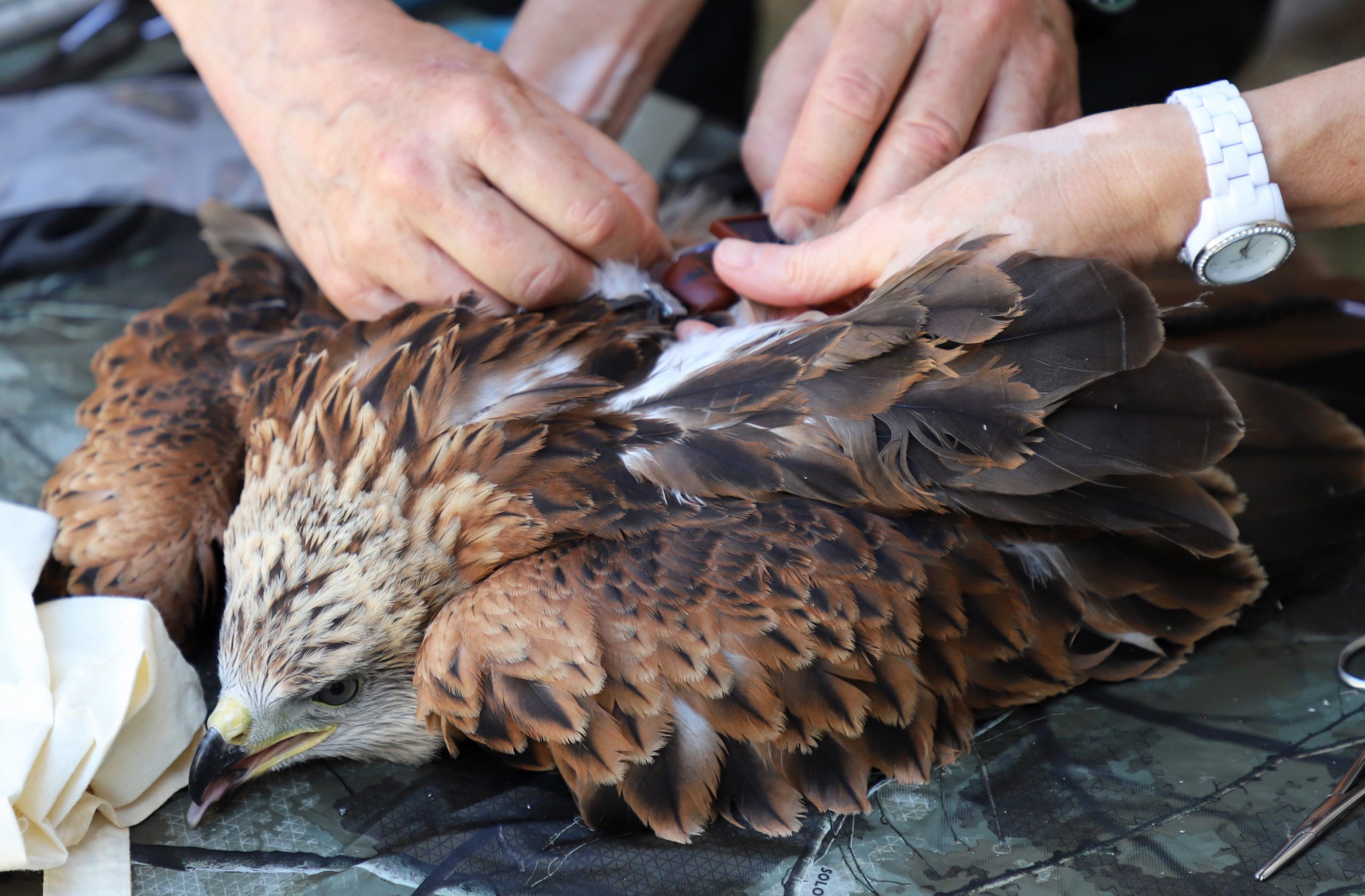
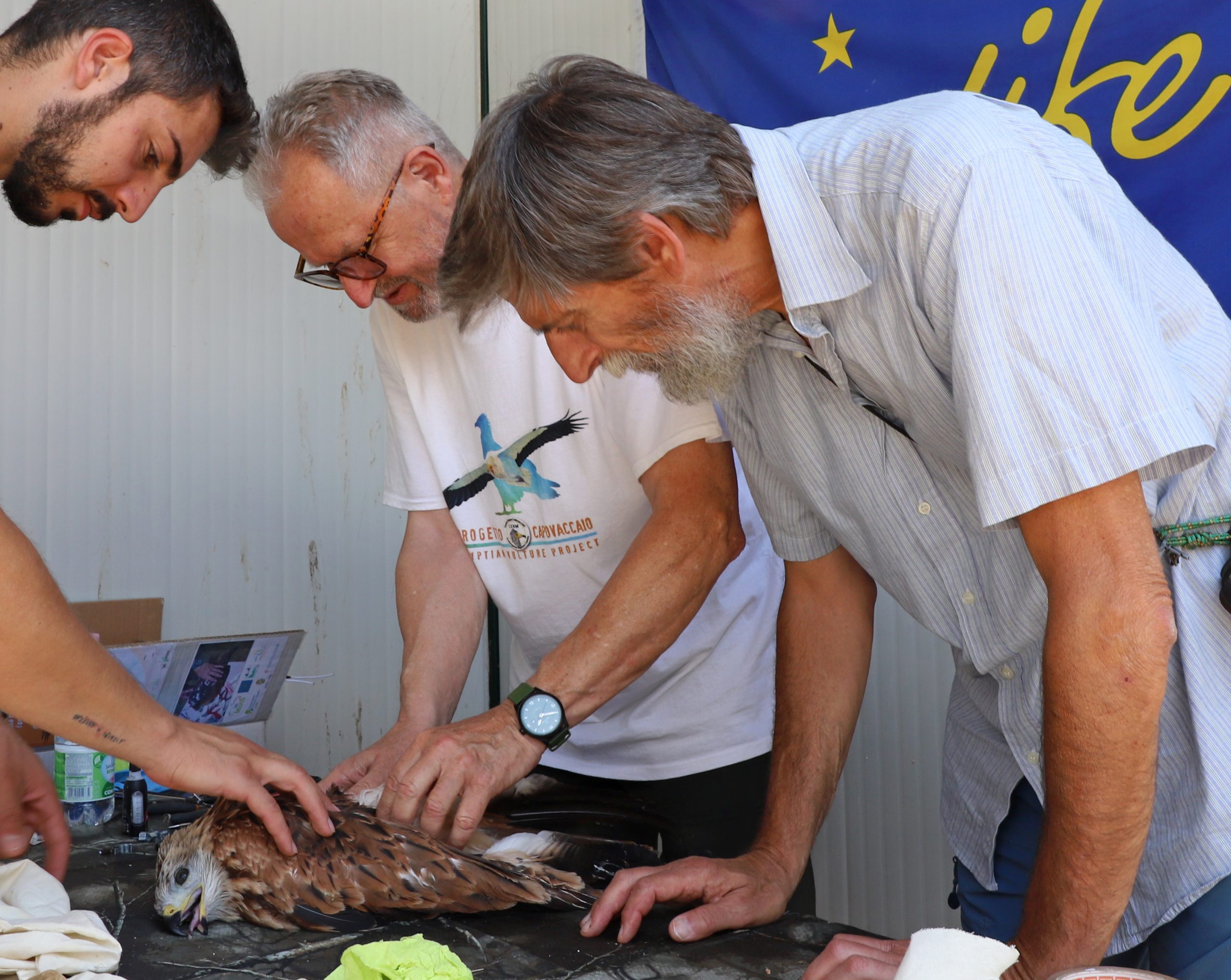
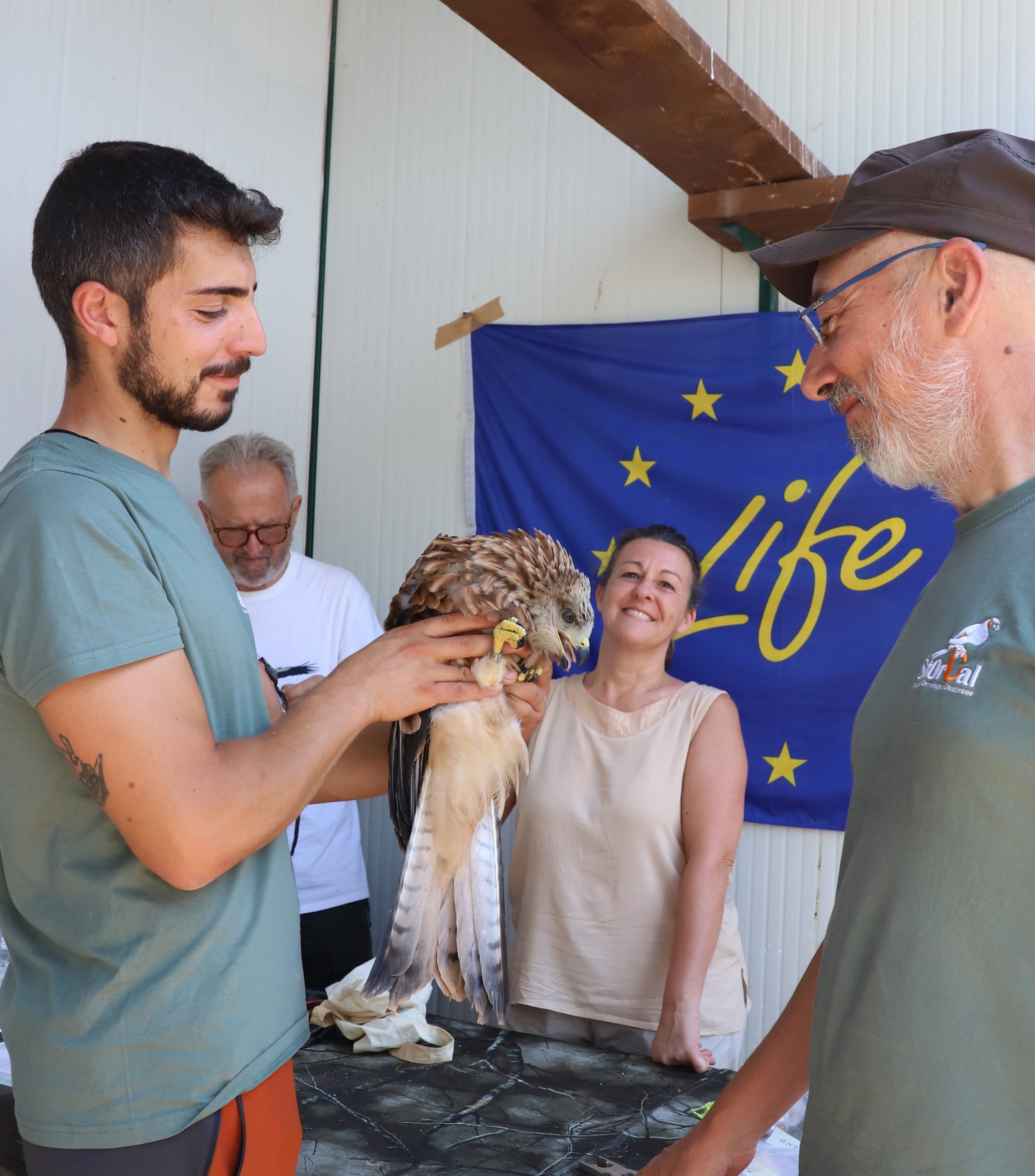
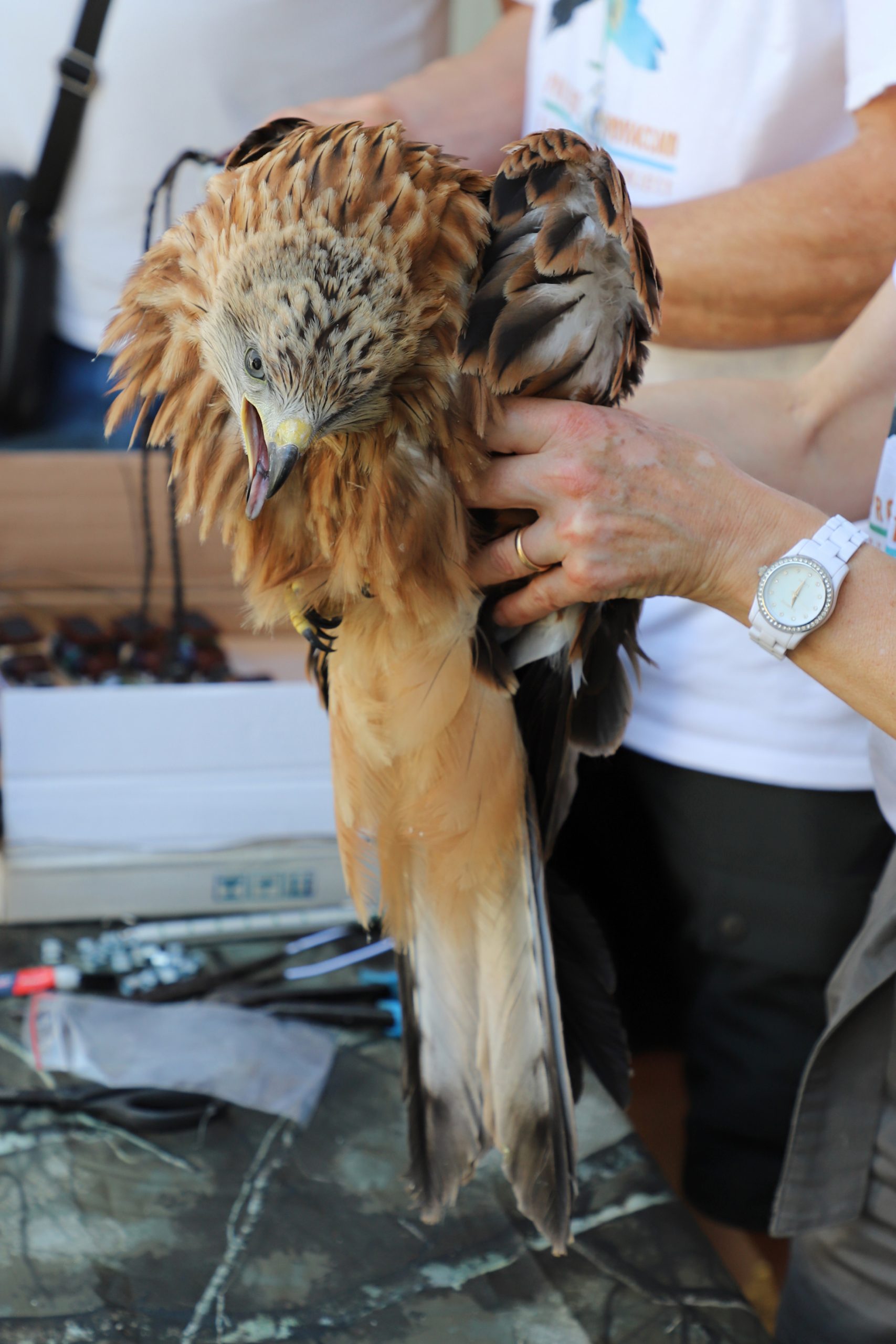
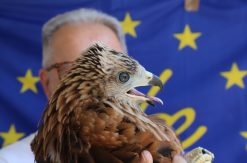
On July 8, the two experts were able to observe and assist with the delicate process of banding and fitting GPS and VHF tracking devices on thirteen young red kites, which were then released into the wild the following day. These included twelve birds born in the wild in Switzerland (Canton of Fribourg) and France (Corsica), which were collected from their nests by local ornithologists, and one bird born in captivity at the San Giuliano Wildlife Recovery Center (MT). 2026 marks the fourth year in which red kites have been released in the Park.
The ringing and GPS tagging operation was coordinated by the Park Authority and carried out by expert ornithologists from the StOrCal and CERM associations, with support from staff of the Cooperativa Tutela dell’Aspromonte. An official from the Calabria Region, one of the project’s partners, was also present.
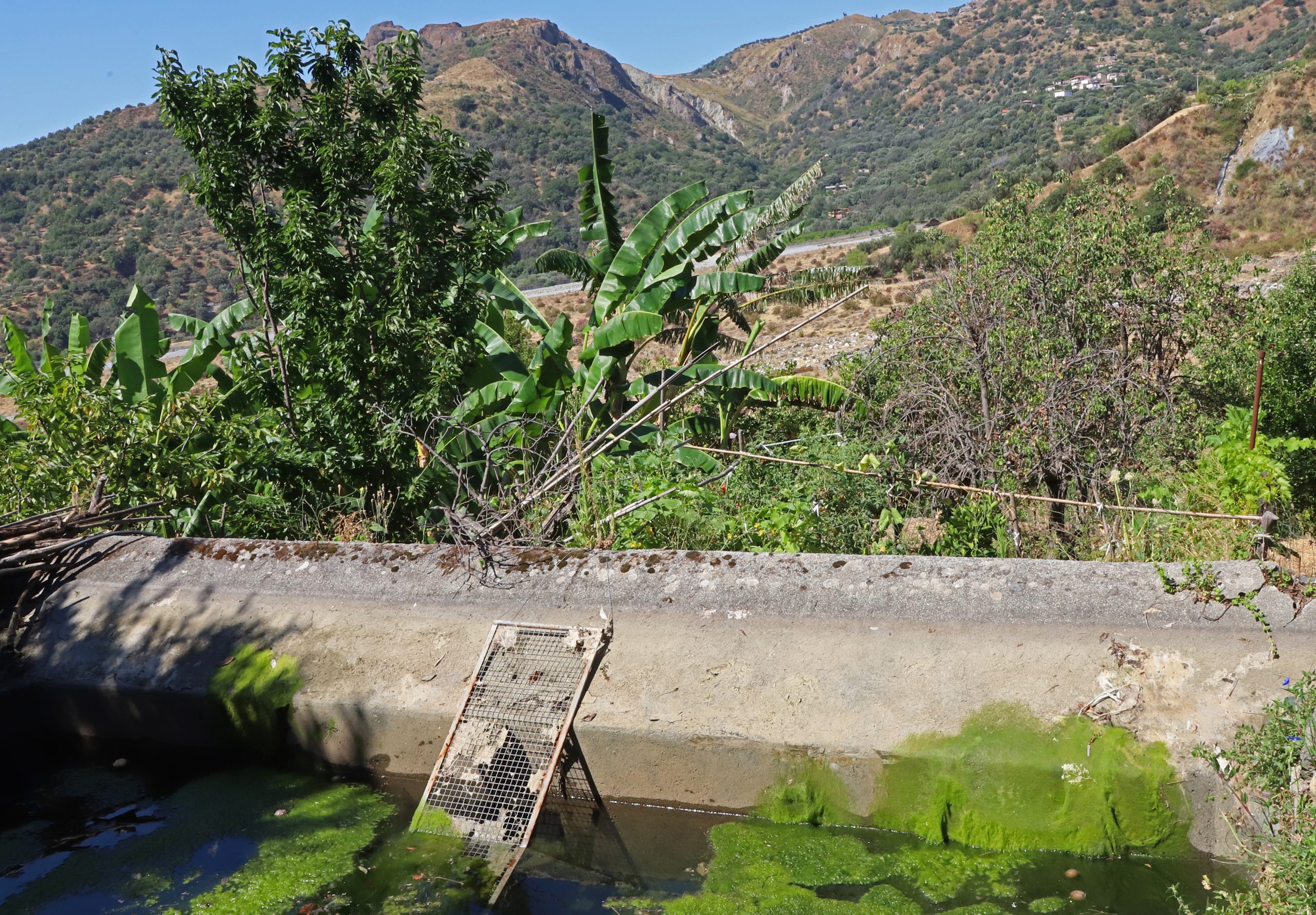
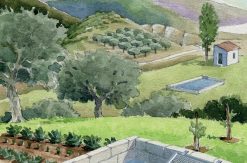
On July 9, the monitoring visit included several site inspections. The project team accompanied the monitors through the Park’s countryside to verify the installation of wildlife escape ramps in some open-top irrigation tanks. When the water level in the basins is low, red kites and many other animals are at risk of drowning because, while trying to drink, they fall in and are unable to get out. For this reason, the Cooperativa Tutela dell’Aspromonte, commissioned by the Park, has installed anti-drowning ramps in as many as 81 irrigation basins.
The visit continued with an on-site inspection of an area where a supplementary feeding station will be built for the new population of red kites; this station may also be useful for the many birds of prey that stop in southern Calabria during migration before continuing on to Sicily.
Subsequently, accompanied by staff from E-Distribuzione—one of the project’s partners—the delegation was able to inspect medium-voltage power line substations and poles on which insulation work had been carried out to prevent the risk of electrocution for the red kite. The work involved 293 elements that posed a potential hazard to birds with medium-to-large wingspans.
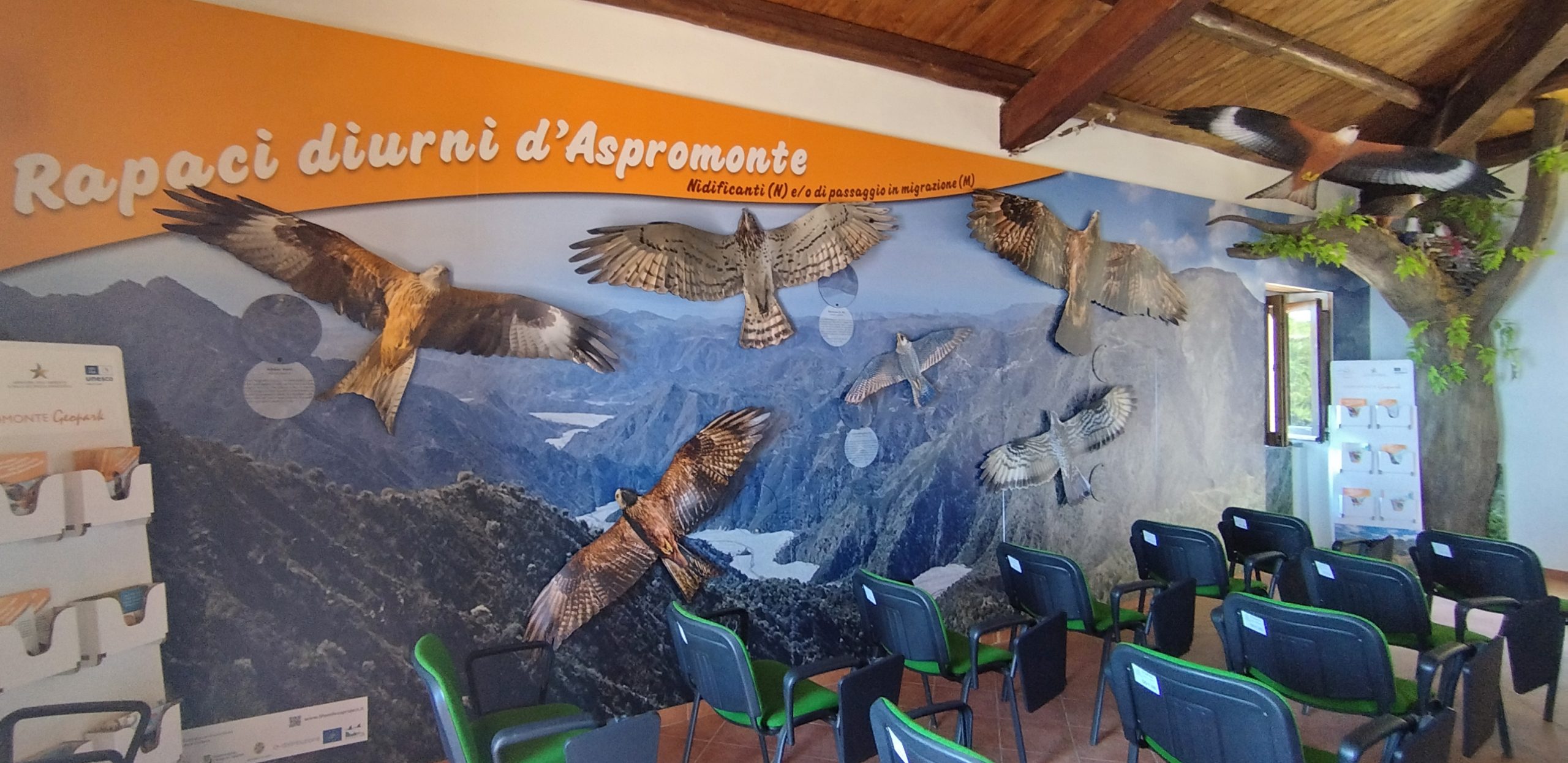
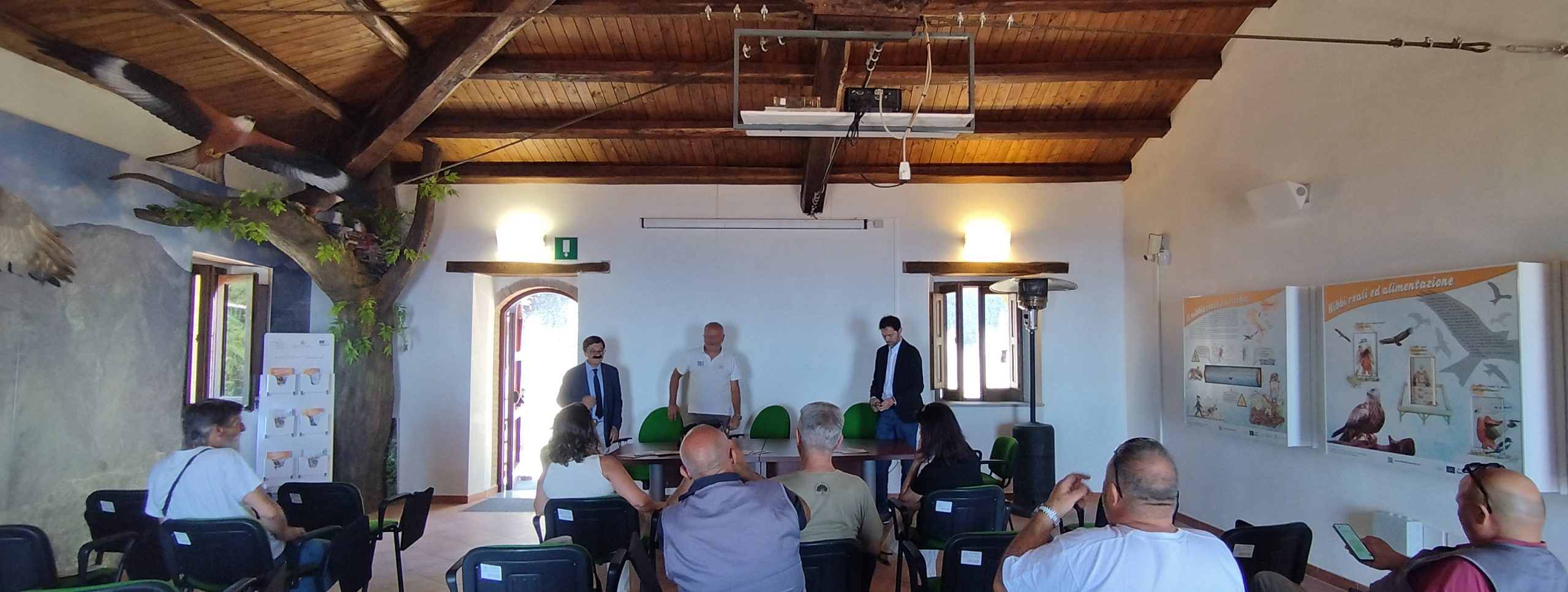
The site visits concluded with a tour of the beautiful educational exhibit on the red kite, which—thanks to the LIFE MILVUS project—was created at the National Park’s visitor center in Bova. The exhibit features a large panel on the birds of prey of Aspromonte, a diorama of a red kite’s nest, and several interactive panels. There, the Mayor of Bova, Santo Casile, and the Mayor of Roghudi, Pierpaolo Zavettieri, welcomed the two monitors and the project team.
The monitoring visit concluded with a technical meeting that provided an opportunity to review the project’s progress and discuss the upcoming activities planned to complete the return of the red kite to Aspromonte and promote its conservation.