Throughout the Aspromonte National Park and its surrounding areas, there are many water collection basins, which are used to irrigate crops or provide water for livestock. Often these structures, locally called “gebbie,” have vertical concrete walls and no external fencing: this makes them deadly traps for many animal species. Tanks like those in the Aspromonte area are, unfortunately, very common throughout the Italian countryside.
When an unfortunate animal falls into a tank while trying to drink or bathe, it is virtually impossible for it to get out; after exhausting and desperate attempts, it faces a gruesome death, either from exhaustion or drowning. The lower the water level, the greater the risk to the animals, becoming enormous during periods of summer drought, which are becoming increasingly intense and prolonged.
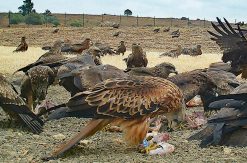
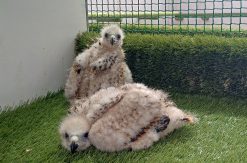
Falling into open-top irrigation tanks has proven to be one of the leading causes of death among young red kites released into the wild as part of the ongoing reintroduction program in Aspromonte National Park. Between 2024 and 2025, thanks to the GPS trackers fitted to the red kites, the bodies of four birds that had fallen into irrigation ponds located in the southern part of the Park and in neighboring areas were located.
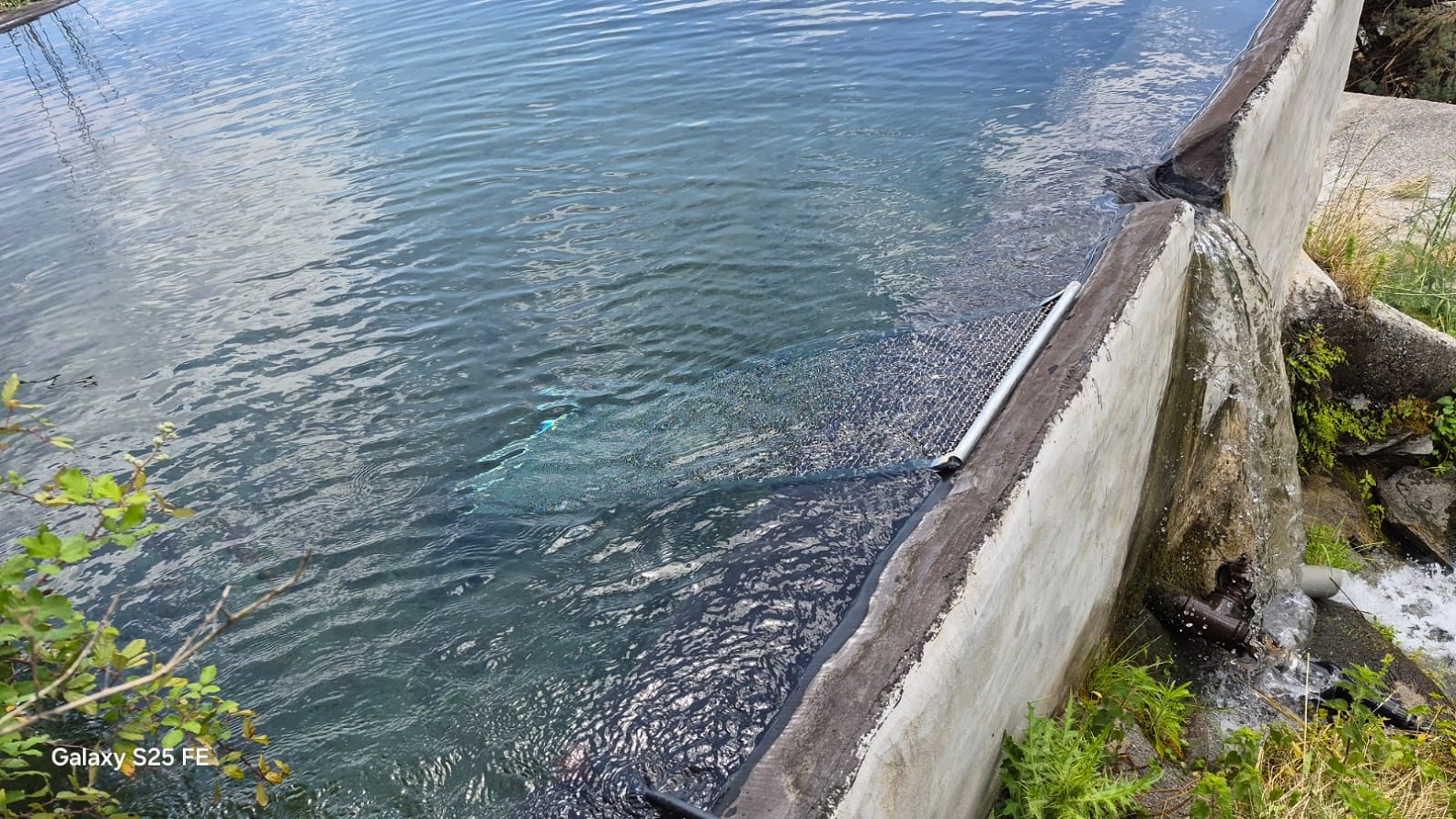
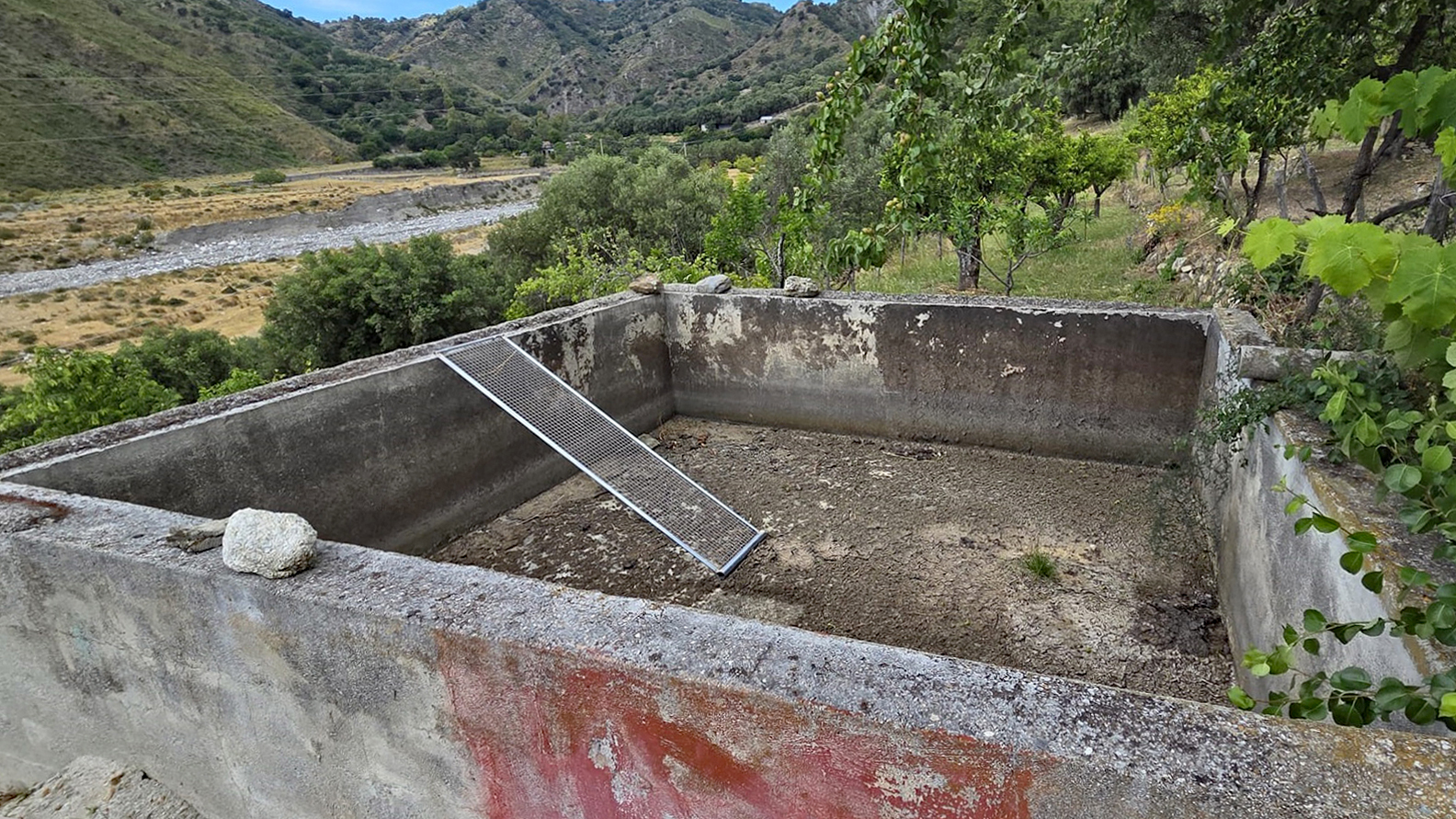
For this reason, the Park Authority, with the agreement of the European Commission, is implementing the “Safe Gebbie” campaign, which involves the installation of specially designed anti-drowning escape ramps in approximately 80 gebbie. The ramps will allow animals that have fallen into the water to save themselves from certain death.
The installation, carried out by the Cooperativa Tutela dell’Aspromonte, was preceded by a survey of the water tanks located in the areas most frequented by red kites, as well as by efforts to inform and engage the property owners. The project will be completed by early summer 2026.
The Park Authority invites all those who have irrigation open-top irrigation tanks on their land and who are not involved in the current project to install a climbing ramp on their own. The process is simple and can be carried out using inexpensive and readily available materials. Even rough wooden planks or fine-mesh nets secured to the edges and weighted down at the bottom of the tanks can be effective and provide an escape route for many animals whose only “crime” is wanting to drink.
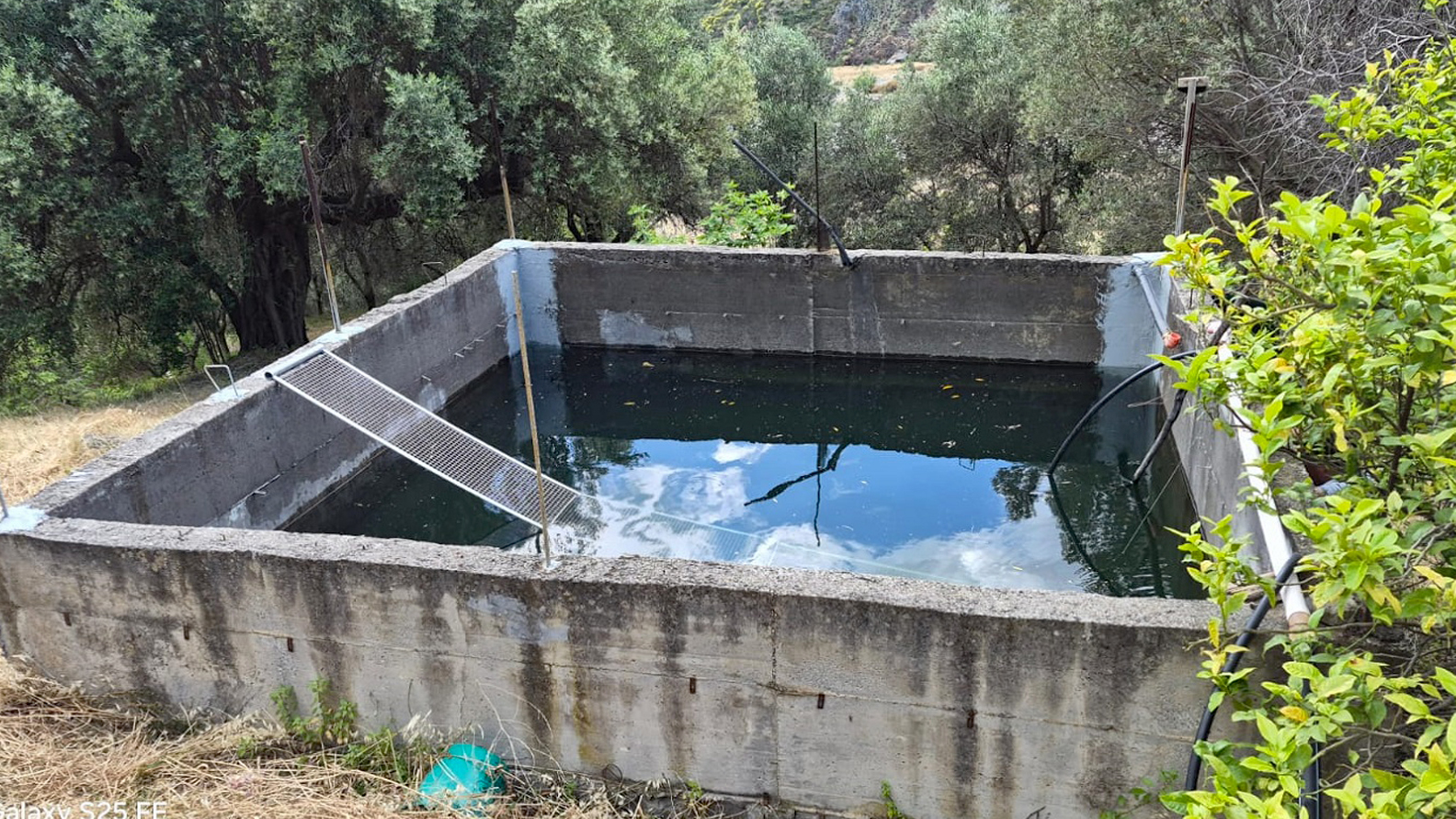
Pool with an anti-drowning ramp for wildlife (Photo: Coop. Tutela dell’Aspromonte)
Pool with an anti-drowning ramp for wildlife (Photo: Coop. Tutela dell’Aspromonte)