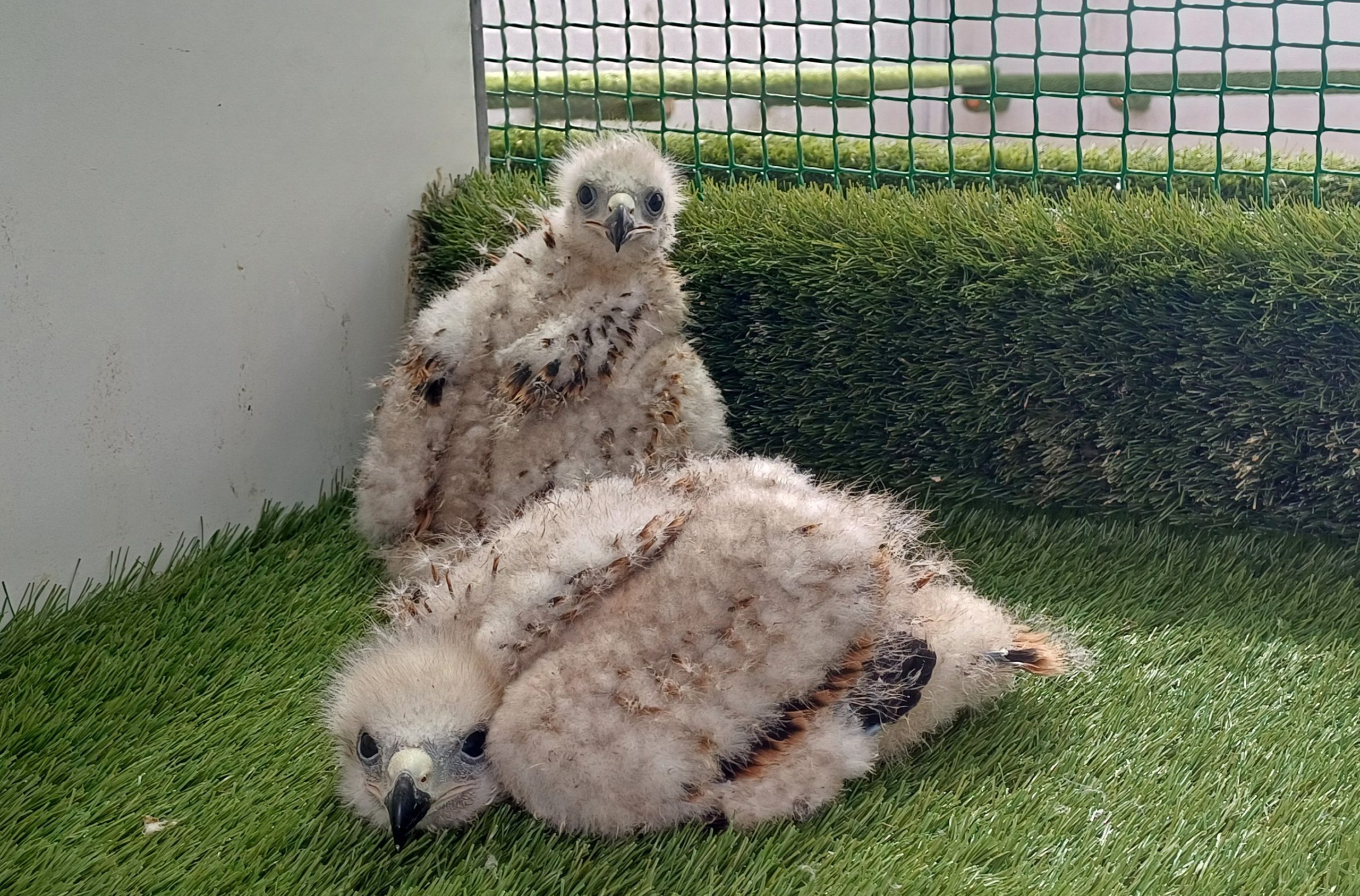
In the summer of 2026, 18 young red kites were released in the Aspromonte National Park. Of these birds, ten were born in the wild in the Canton of Fribourg (Switzerland) and two in Corsica (France), while six were born in captivity in Spain and Italy. The twelve birds from...
"Release of 18 red kites in the Aspromonte National Park"Read MoreNews
News
Monitoring Visit for the LIFE MILVUS Project
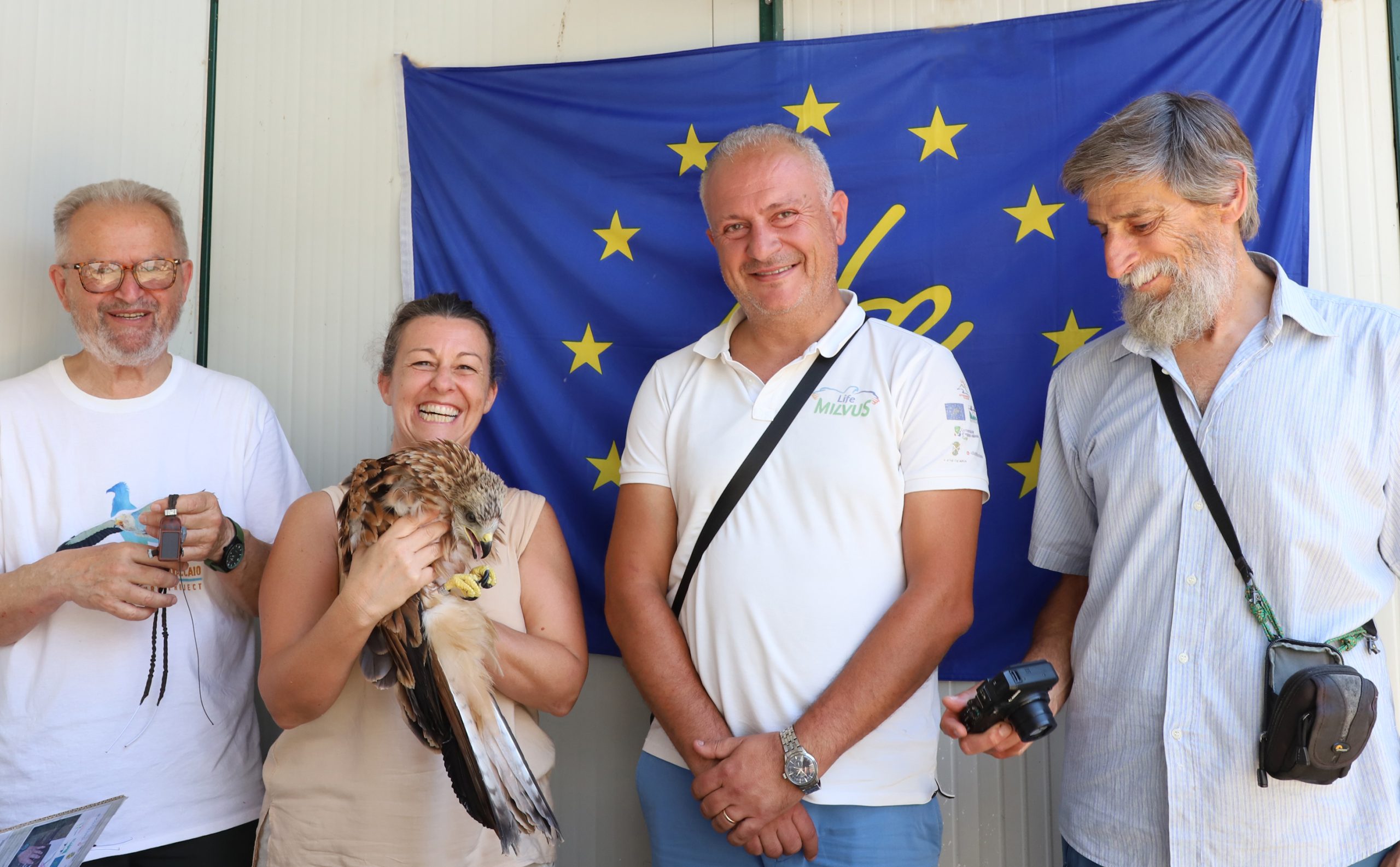
On July 8 and 9, 2026, a monitoring visit for the LIFE MILVUS project took place, conducted by Dr. Simona Bacchereti, Project Adviser at the European Commission’s CINEA (European Climate, Infrastructure and Environment Executive Agency), and monitor Dr. Alberto Cozzi of the ELMEN EEIG consortium. On July 8, the two...
"Monitoring Visit for the LIFE MILVUS Project"Read More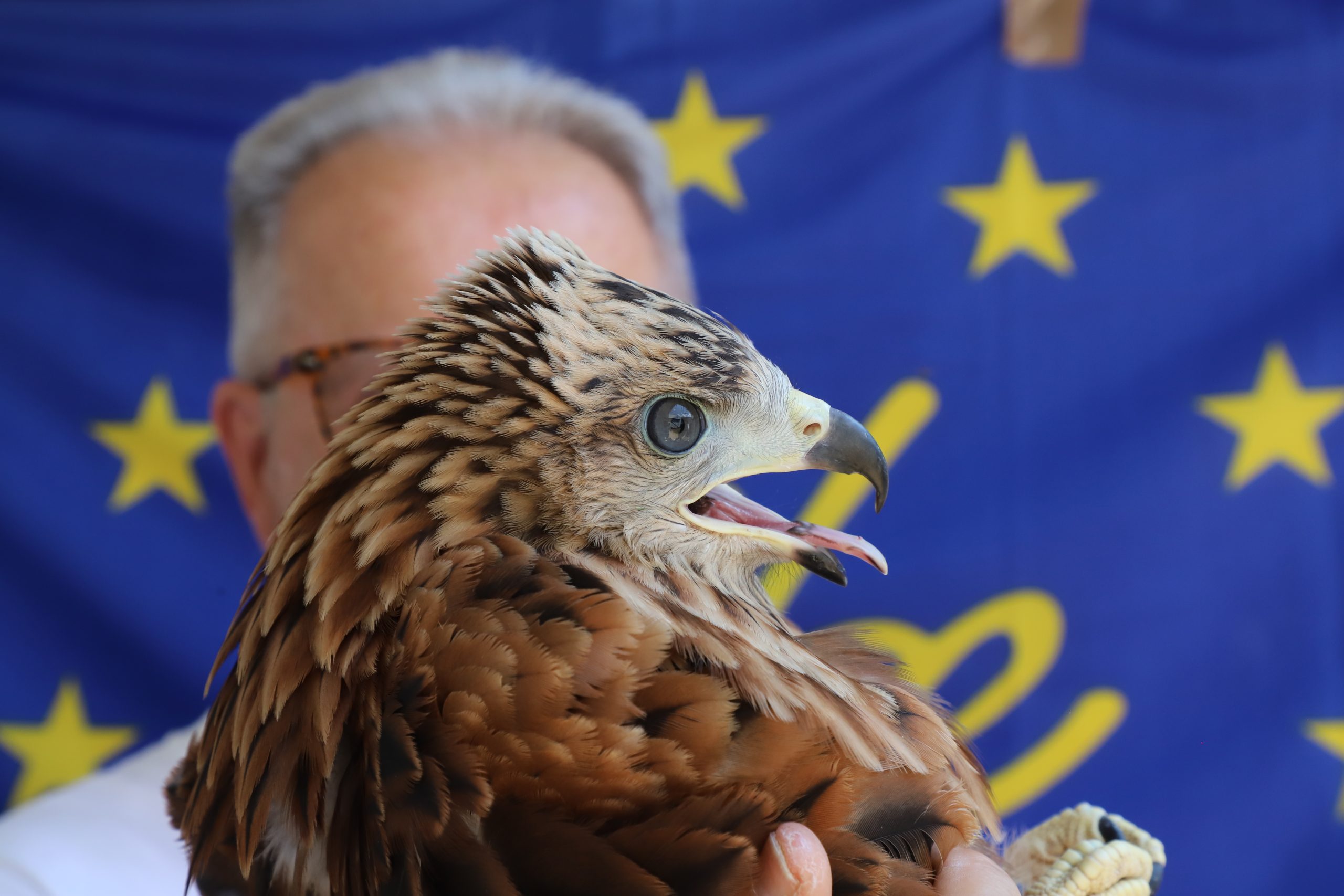
A “special” red kite will be released in the Aspromonte National Park
In July 2026, the annual release of red kites will take place in the Aspromonte National Park as part of the ongoing reintroduction program for the species. This year, in addition to young birds born in Switzerland (Canton of Fribourg), France (Corsica), and Spain (Aragon), the LIFE MILVUS project team...
"A “special” red kite will be released in the Aspromonte National Park"Read More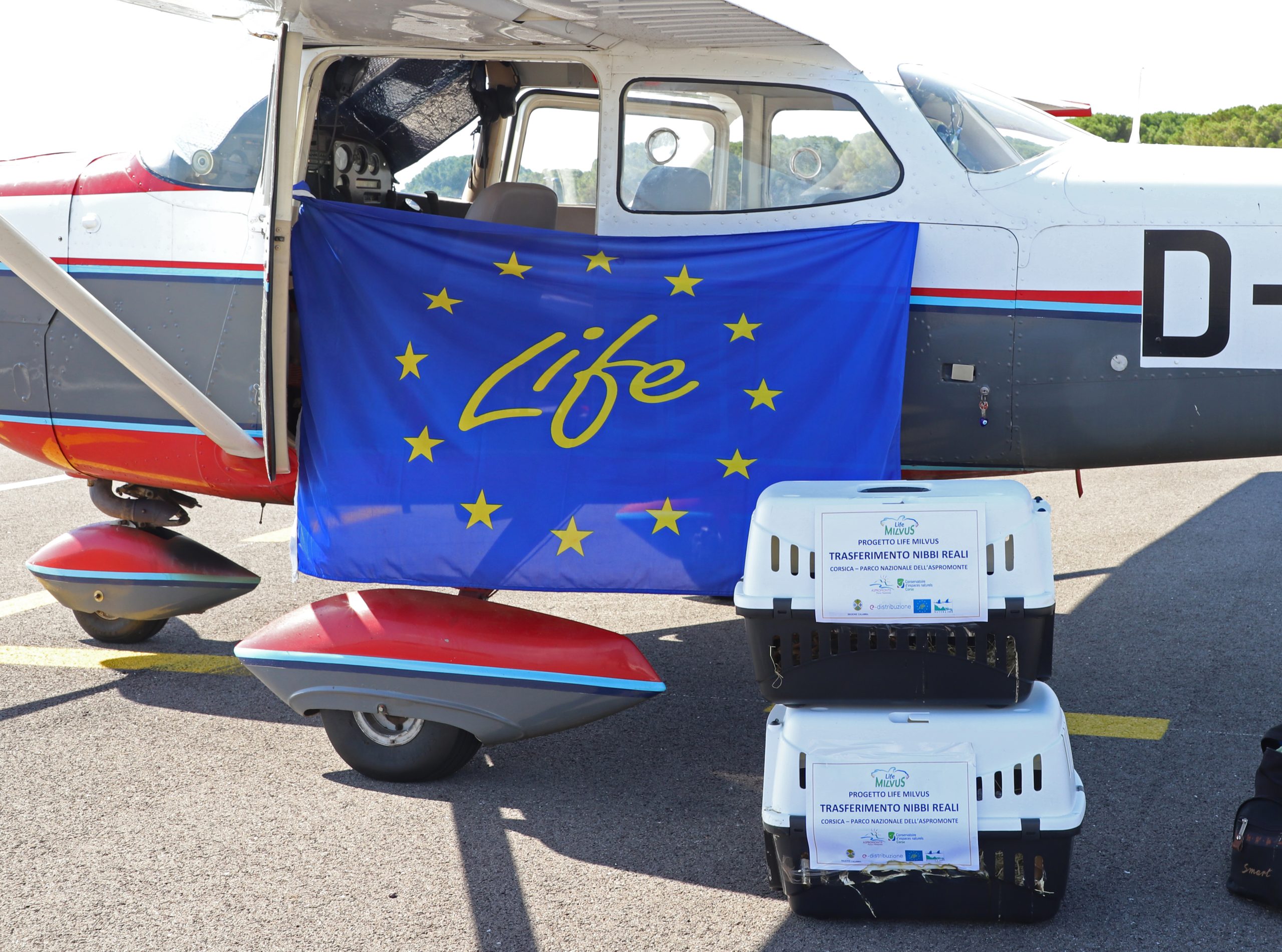
Twelve young red kites awaiting release into the wild in Aspromonte
As in previous years, June 2026 marked the arrival at the Aspromonte National Park’s aviaries of a first group of young red kites from donor countries, which after a period of acclimatization will be released into the wild in early July. Currently, there are twelve birds awaiting their first flight:...
"Twelve young red kites awaiting release into the wild in Aspromonte"Read More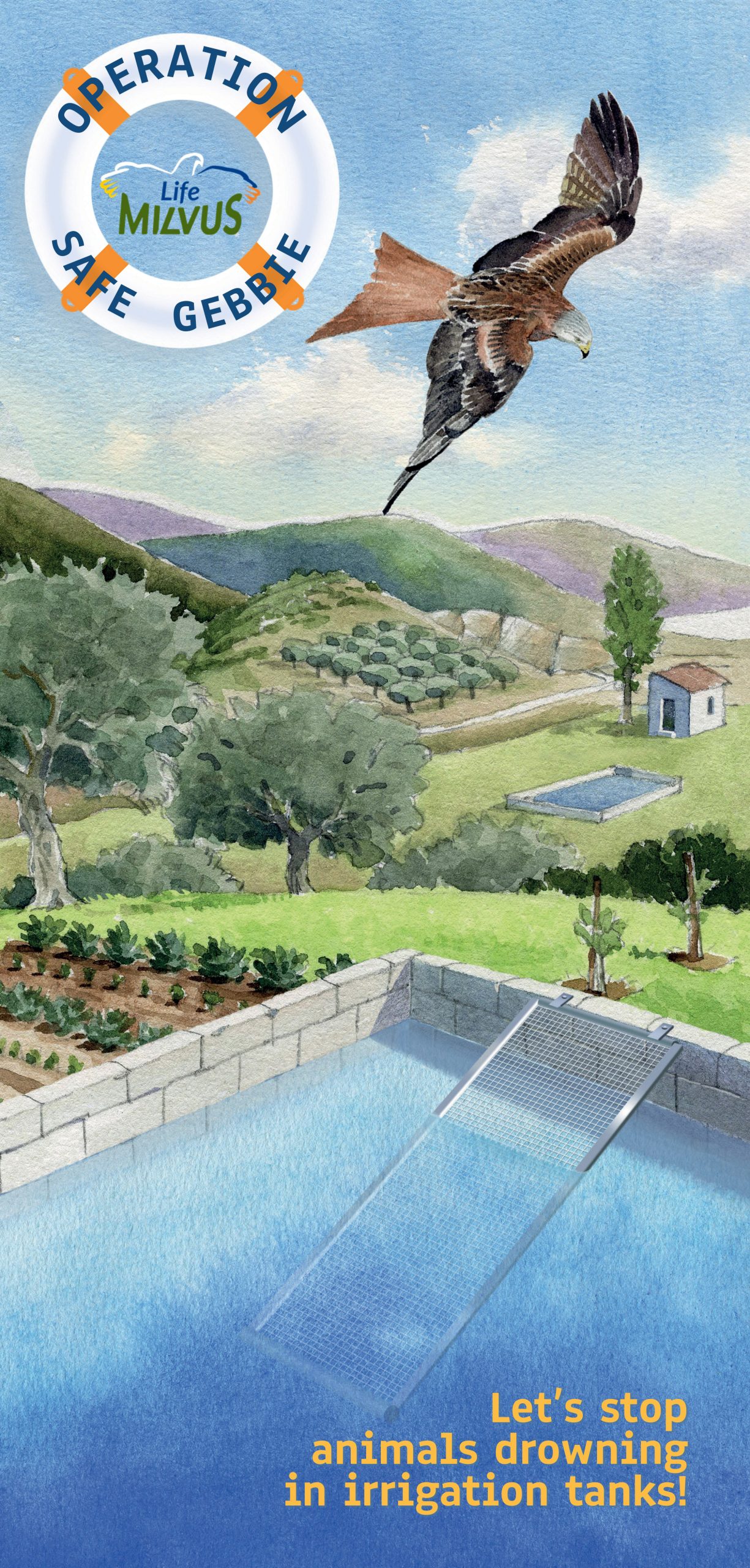
A leaflet for life: instructions for saving red kites from drowning
The goal of Operation Safe Water Basins is to rescue animals that fall into the water collection basins scattered throughout the Calabrian countryside; as part of this initiative, the Aspromonte National Park Authority is installing specially designed escape ramps. These structures allow red kites and many other animal species to...
"A leaflet for life: instructions for saving red kites from drowning"Read More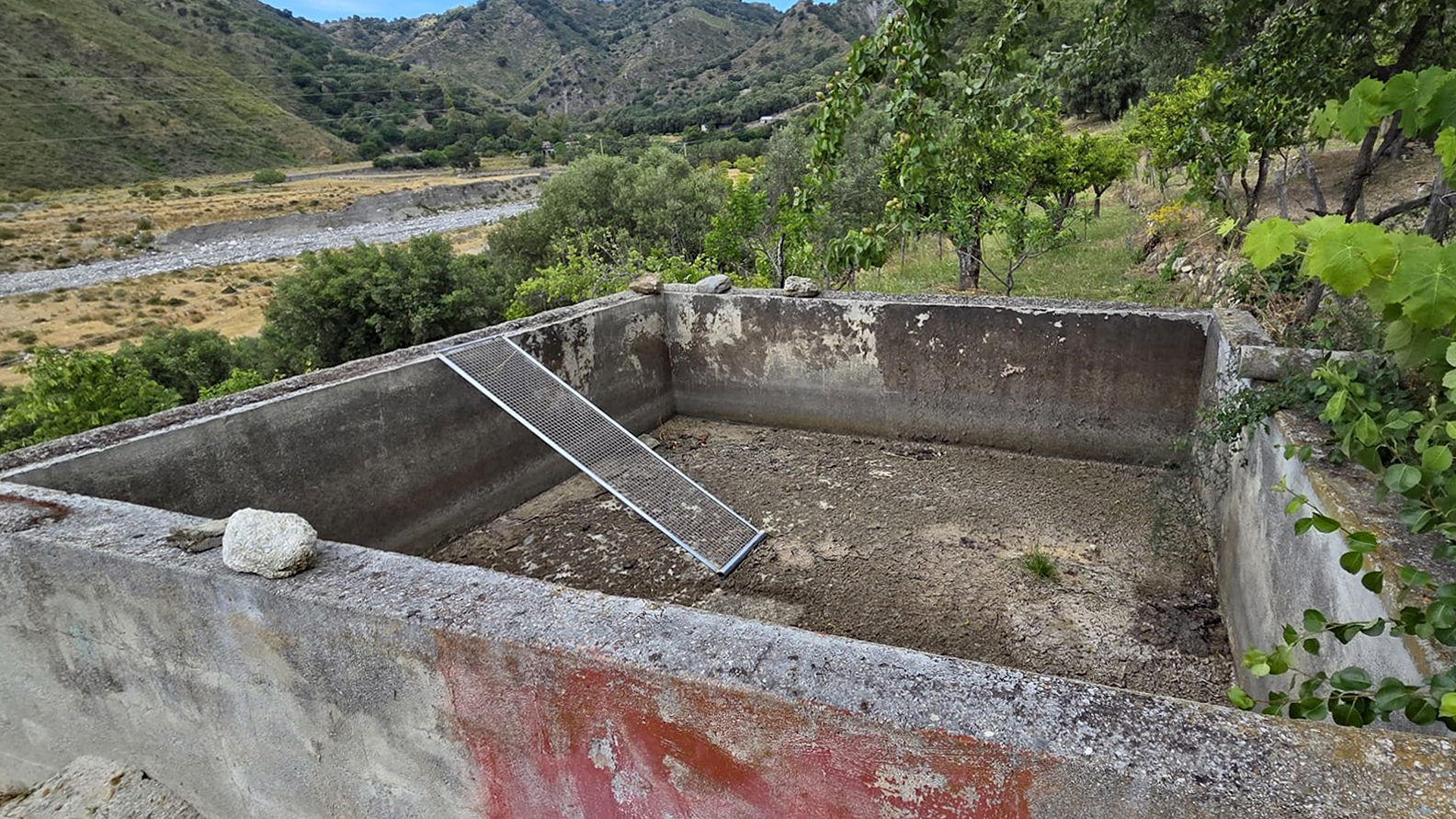
“Operation Safe Gebbie”: Installation of anti-drowning ramps for wildlife in open-top irrigation tanks
Throughout the Aspromonte National Park and its surrounding areas, there are many water collection basins, which are used to irrigate crops or provide water for livestock. Often these structures, locally called “gebbie,” have vertical concrete walls and no external fencing: this makes them deadly traps for many animal species. Tanks...
"“Operation Safe Gebbie”: Installation of anti-drowning ramps for wildlife in open-top irrigation tanks"Read More